01
Vessel Shapes & Types
Define the use, capacity, profile, wall, rim and base direction. Existing molds and new-development routes are reviewed separately.
Custom glassware wholesale supplier in China
Develop drinkware, stemware, barware and candle-vessel projects through one structured process covering product selection, decoration, samples, inspection, packaging and destination-market documents.

01 · Understand your project
Share the intended use, destination market, quantity and visual references so vessel, decoration and packaging decisions can be reviewed as one commercial brief.
Define the use, capacity, profile, wall, rim and base direction. Existing molds and new-development routes are reviewed separately.
Review solid color, spray, gradient, frosted, plated or textured directions against the selected glass and use case.
Share vector artwork for screen print, decal, laser engraving or foil-effect review, including placement and color references.
Specify inner protection, retail or gift box, inserts, labels, master-carton data and the required transit-test route.
Availability, specifications, pricing and lead times are confirmed during project review.
02 · Material & craftsmanship
Soda-lime, borosilicate and lead-free crystal serve different price, clarity, form and performance requirements. The right choice is confirmed against intended use and product-level evidence.
A widely used route for tumblers, barware and scalable hospitality or retail collections.
Capacity, rim quality, annealing, decoration route and destination-market requirements.
Often considered for lightweight, double-wall or temperature-change applications where the chosen design is supported by testing.
Glass composition, thermal-shock method, use limits and care instructions for the exact product.
A premium direction for brilliance, refined profiles and elevated bar or table presentation.
Composition declaration, clarity, rim treatment, dishwasher evidence and relevant food-contact testing.
Material names alone do not prove performance. Confirm the selected SKU, composition, intended use and applicable test evidence before making claims.
03 · Buyer applications
Start with your use case so product, decoration and packaging requirements can be evaluated together.
Guest-room, restaurant, bar and event glassware projects.
Service-focused drinkware for menus, venues and opening programs.
Product ranges, seasonal edits and private-label collection briefs.
Vessel directions shaped around fill, finish and packaging needs.
04 · Build confidence
Factory records and product reports are useful only when they are current, relevant to the selected SKU and matched to the destination market. Verified files can be added here as they become available.
Verify the legal entity, actual production scope, facility relationship, issue date and document validity.
Request current ISO 9001, BSCI, Sedex or equivalent evidence only where it applies to the selected facility.
Match FDA, LFGB, EU food-contact or other required evidence to the exact product, material, decoration, use and market.
Confirm material declarations, approved pack data, inspection evidence and shipment documents for the order.
Document applicability and validity should be reconfirmed for each project and destination market.
04 · Customer review
Verified testimonials can be added after a completed project and buyer approval. Until then, these are the areas buyers are invited to assess.
Confirm that the proposed product, approved sample and signed specification remain aligned.
Evaluate response quality, change tracking and whether decisions are recorded clearly.
Review carton details, inspection records and shipment documentation before release.
No customer name, company or quotation is published without permission and order verification.
05 · Product categories
Use these categories to define the product direction for your sourcing request.

Barware directions for cocktails, signature serves and venue programs.

Everyday tumblers and service glassware for hospitality and retail.
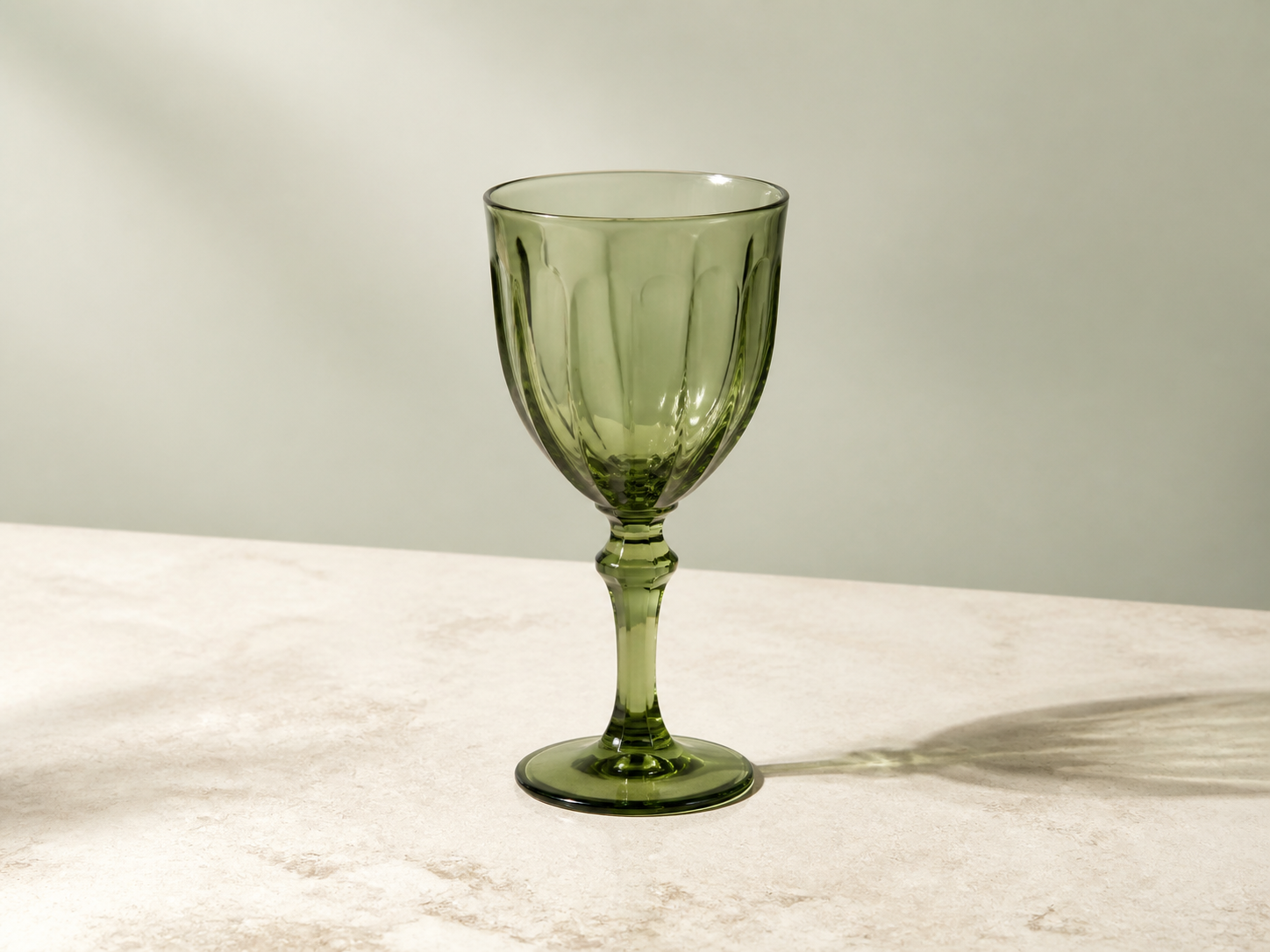
Color-led product briefs for collections, tablescapes and branded ranges.
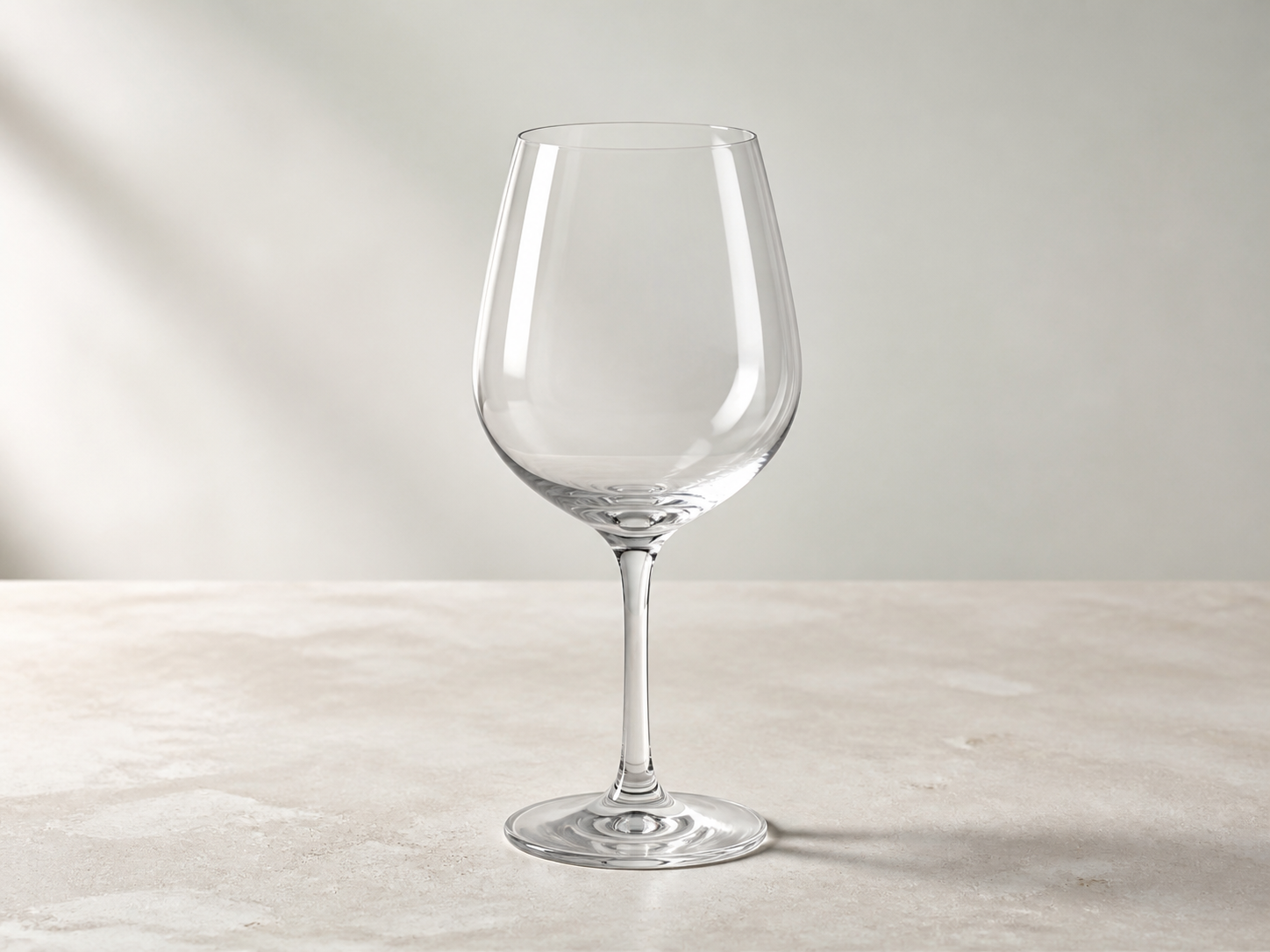
Stemware directions for service programs, gifting and retail assortments.
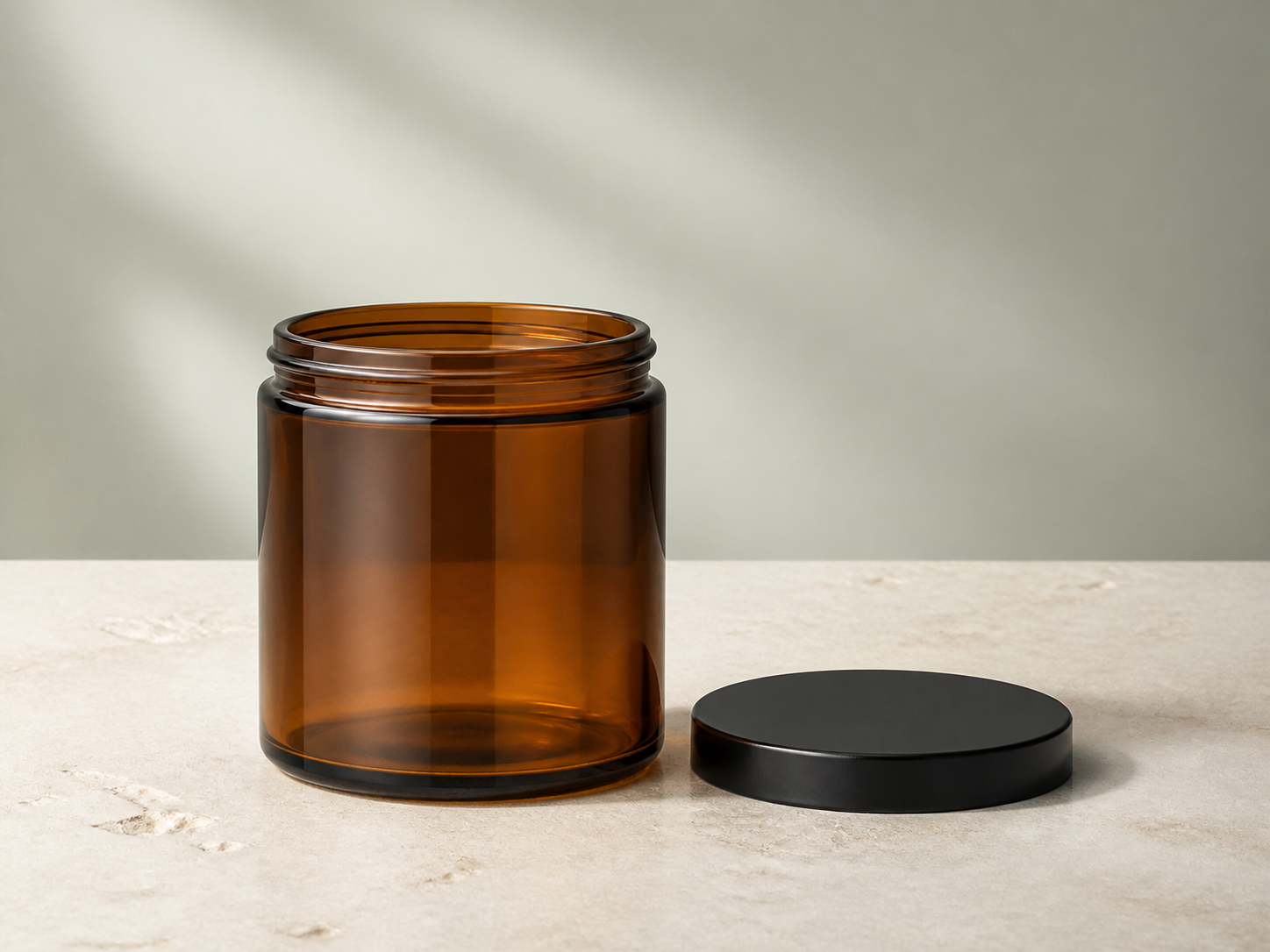
Vessel briefs developed around fill, finish, labeling and pack format.

A starting point for projects with specific shape, artwork or finish needs.
05 · Market-led sourcing shortlist
A focused edit of established hospitality formats and trend-relevant retail directions for US and European project briefs.
 Hospitality stapleSourcing reference
01 · PTH-DW-001
A tactile vertical-rib format for water, soft drinks and mixed serves across hospitality and retail programs.
Reference specification for sourcing comparison. Approve a physical sample and signed specification before ordering.
Foodservice coreSourcing reference02 · PTH-DW-002
A space-conscious tumbler direction for busy service environments, casual dining ranges and repeat-use programs.
Reference specification for sourcing comparison. Approve stack performance, rim quality and a signed specification before ordering.
Search trendSourcing reference03 · PTH-ST-003
A decorative stemmed format for color-led tablescapes, gifting ranges and seasonal homeware collections.
Reference specification for sourcing comparison. Confirm color tolerance, stem alignment and physical sample measurements before ordering.
2026 color editSourcing reference04 · PTH-ST-004
A cool-toned statement coupe for cocktail programs, event styling and design-led retail assortments.
Reference specification for sourcing comparison. Confirm bowl capacity, color tolerance and stem alignment on a physical sample.
Brand programSourcing reference05 · PTH-BW-005
A substantial rocks-glass direction for spirits service, branded gifting and venue merchandise programs.
Reference specification for sourcing comparison. No logo performance claim is made until decorated samples are tested and approved.
 Rising styleSourcing reference
06 · PTH-MG-006
A patterned handled-glass direction that brings an ornamental, vintage character to beverage and gifting ranges.
Reference specification for sourcing comparison. Do not market for hot beverages until the chosen SKU passes the required thermal testing.
 Fragrance coreSourcing reference
07 · PTH-CJ-007
A clean vessel direction suited to label-forward candle collections and scalable home-fragrance assortments.
Reference specification for sourcing comparison. Candle safety depends on the complete filled system, not the empty jar alone.
Evergreen finishSourcing reference08 · PTH-CJ-008
A warm amber vessel direction for apothecary, botanical and premium fragrance brand identities.
Reference specification for sourcing comparison. Confirm lid compatibility, finish consistency and filled-candle performance before ordering.
Capacities and dimensions are traceable public-market reference benchmarks. Images are original AI product visualizations. Factory SKU, MOQ, packaging, lead time and applicable reports remain pending until a supplier and physical sample are approved.
06 · Inspection
Inspection points, tolerances, evidence and release criteria should be tied to the approved product and order—not assumed from a generic checklist.
Check capacity, height, diameter, weight, wall or base detail and agreed tolerances against the signed specification.
Define acceptable limits for rim quality, stones, bubbles, scratches, distortion, seams and base stability.
Review color tolerance, artwork placement, print quality and applicable adhesion, migration or handling evidence.
Confirm piece count, dividers or inserts, five-ply carton data, labels, weights, pallet route and agreed transit test.
Only apply thermal-shock, hot-use or dishwasher claims when the exact product and decoration are supported by relevant testing.
Review agreed inspection results, photographs, corrective actions and destination documents before shipment release.
Exact inspection level, sampling plan, tolerances and responsible party are confirmed in the order specification.
07 · Communication flow
Each stage records the buyer's inputs, the next decision and the evidence needed before the project moves forward.
Share intended use, market, quantity, product reference, capacity, customization and packaging requirements.
Review the available mold or development route, artwork proof, sample cost and timing. A typical sample target is 7–10 days after the route is confirmed.
Sign off product measurements, color, decoration, packaging and the golden sample or agreed approval record.
Align milestones, signed specification, inspection plan and document requirements. Typical production planning may be 25–35 days after approval, subject to the factory schedule.
Review inspection evidence, final packing, shipment documents and the agreed FOB, DDP or other freight route before release.
08 · Buying guides
Use these practical guides to compare materials, control quality and prepare a clearer wholesale glassware brief.
Compare use frequency, appearance, care, replacement cost and the evidence required for service conditions.
What is the intended drink and service temperature? Is stackability required? Which dishwasher or food-contact evidence applies to the chosen SKU?
Understand how price position, brilliance, profile, durability expectations and test documentation affect sourcing.
Which material declaration is available? How are rim and wall tolerances specified? What care claims are supported by current testing?
Build the jar, lid, label, wax-fill benchmark and protective packaging into one reviewable system.
Has the filled candle system been burn-tested? Is lid compatibility approved? How are finish consistency and transit protection checked?
Link the signed sample, product tolerance, decoration, packing data and release evidence before shipment.
Is the signed specification current? Who approves defect limits? Are carton data and inspection photos available before release?
These guides support project preparation. Product claims and compliance requirements must still be verified for the selected SKU and market.
09 · Before you inquire
Clear inputs create a faster, more accurate project review. These answers explain what is confirmed at each stage.
MOQ is confirmed for the selected factory SKU, available mold, decoration method, packaging format and quantity. Stock glassware and custom-development routes can have different minimums, so the quote states the applicable MOQ rather than using one generic figure.
Yes, when the chosen product and decoration route support it. Sample availability, artwork proof, decoration cost, courier cost and timing are confirmed after review. A typical planning target is 7–10 days after the route and artwork are approved, but the quoted schedule controls.
The approved pack plan should specify piece separation, dividers or inserts, inner quantity, master-carton construction, dimensions, weight and any agreed transit or drop test. Breakage handling must be written into the commercial terms; a zero-breakage guarantee is not assumed.
Food-contact and dishwasher claims must be supported for the exact glass, color or decoration, intended use and destination market. Request current SKU-specific reports or declarations; a generic factory certificate is not enough.
Vector AI, EPS or editable PDF files are preferred for logo work. Include fonts outlined, target colors, placement, maximum print area and a visual reference. A PNG or JPG can help with review but may not be sufficient for production artwork.
Provide the product or reference, capacity, estimated quantity, destination, target date, decoration, packaging, required reports and preferred trade terms. Add an artwork or file-share link in the inquiry form when available.
10 · Inquiry
Share the product, quantity, destination market, customization, artwork, packaging and timing requirements needed for an initial review.